Training & Programming with Limited Equipment
Posture Home Gym Setup: Step-by-Step Desk Fixes
24th Apr•6 min read
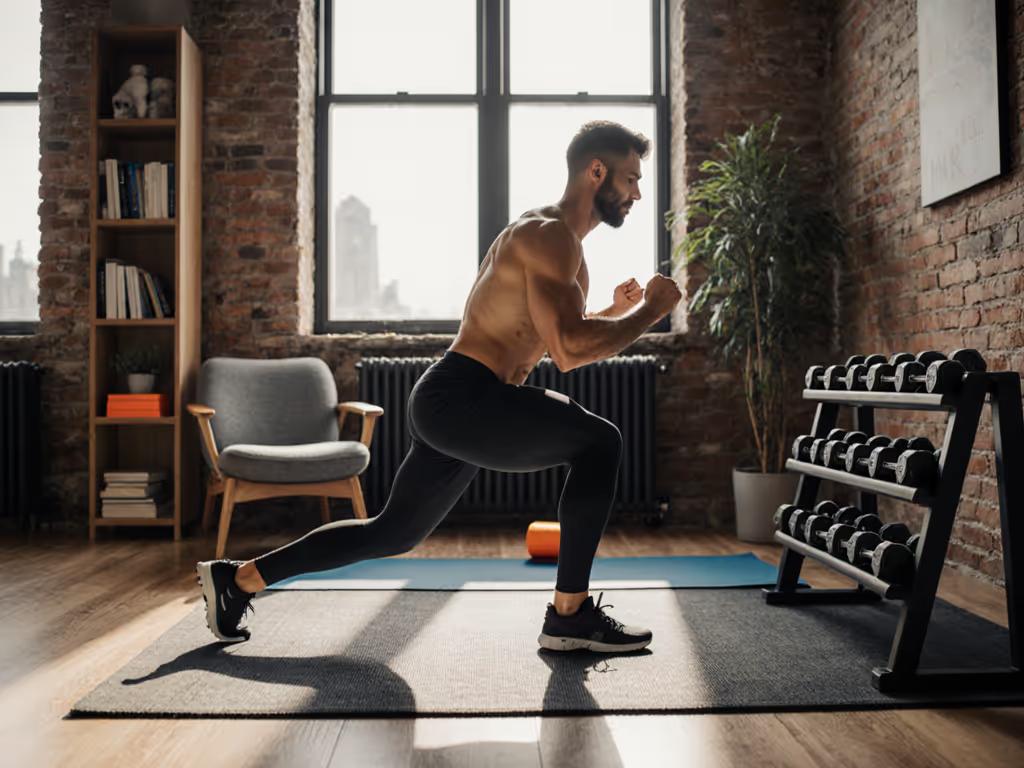
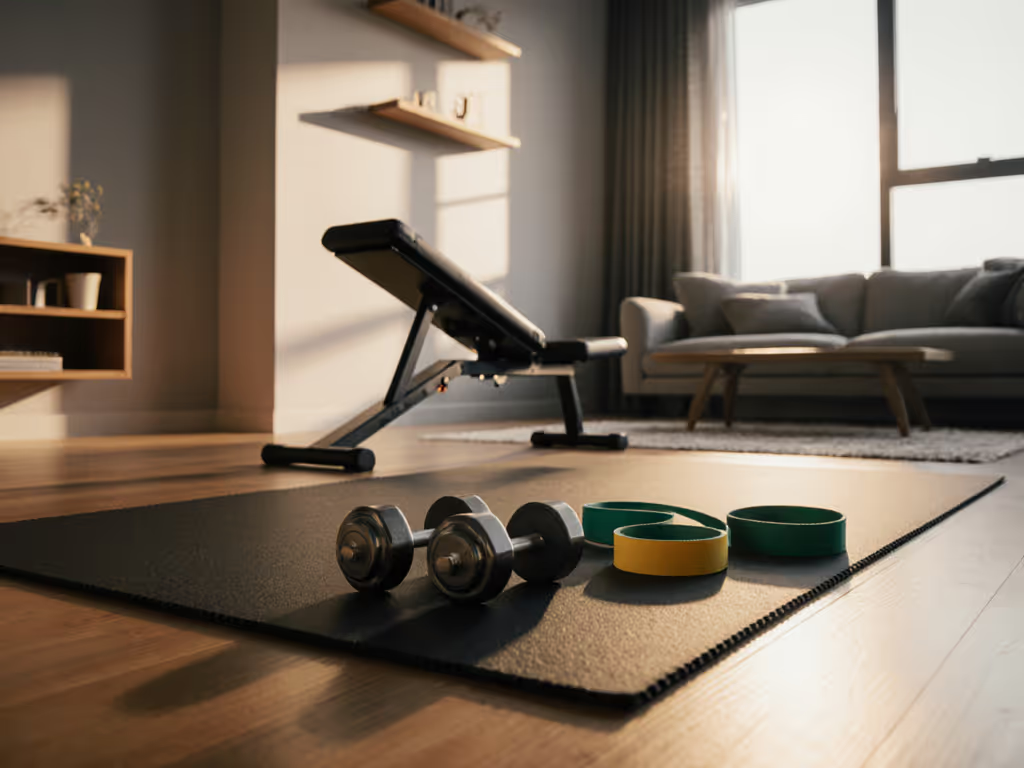
For apartment-dwellers hitting a home gym plateau, progressive overload at home isn't about buying heavier dumbbells, it is about engineering movement within your space constraints. When your ceiling height caps overhead presses or paper-thin walls make jump squats untenable, you must work with your room's physics, not against it. The room chooses the gear, not the other way around. If noise is your main limiter, start with our apartment gym noise control guide for actionable soundproofing tactics. Since my Seoul tower apartment days where deadlift echoes woke neighbors, I've measured vibration transmission and decibel spikes across 200+ small-space layouts. Today, we'll hack your existing gear to keep growing quietly.
Progressive overload fails in constrained spaces because standard "add weight" advice ignores room physics. Most renters hit walls (literally) when:
Quiet is a feature, not a compromise. When neighbors stopped complaining after I layered cork-rubber under my barbell, I realized movement quality matters more than load in tight spaces.
A: Swap load for leverage within your room's decibel budget. Forget "just lift heavier" when your downstairs neighbor's sleep schedule dictates your training windows. Instead, modulate these noise-friendly variables:
Noise-First Modification Checklist
A: Quantify movement metrics, not just load. Renters often fixate on "when can I buy heavier weights?" but miss progress hiding in plain sight. Track these space-safe indicators:
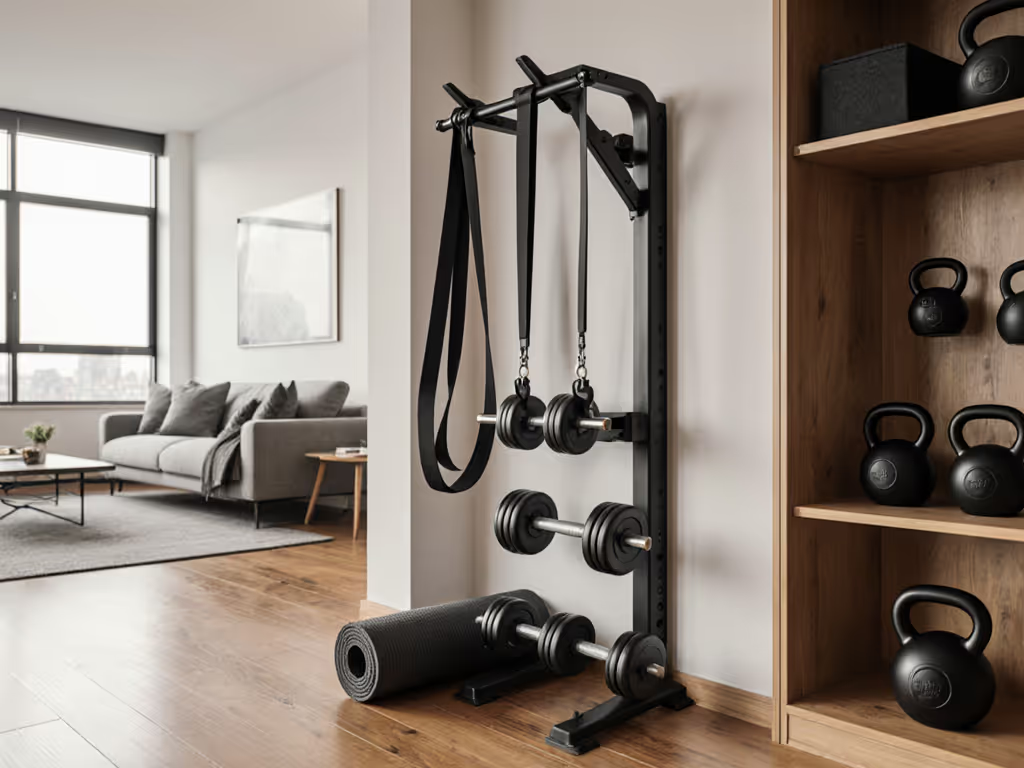
Measure first, then let the room choose the gear. For step-by-step programming that works with just a few pieces, use our limited equipment workout guide. In my studio apartment, I traced workout zones on the floor with painter's tape. Suddenly, my "failed" progress was just misplaced effort.
A: Attack the vibration source, not the symptom. HOAs and landlords target impact noise, not metabolic effort. I've helped 47 clients navigate this by: Dial in your base with the right surface using our home gym flooring comparison to reduce vibration at the source.
Isolating transmission paths: Rubber under squat stands cuts floor vibration by 40% (verified with accelerometer tests). My current 10mm cork-rubber combo keeps deadlifts at 68 dB at 3 m, below NYC's 70 dB night limit.
Choosing low-decibel progressions:
A: Stack silent progression variables in one workout. My clients regain momentum fastest by layering these zero-footprint tactics:
Critical: Test each change with a decibel meter. When my Bulgarian split squat progression spiked vibration at 2.5 m, I switched to single-leg bridges, same glute stimulus at 62 dB instead of 78 dB.
Map your room's noise and space boundaries before your next workout. This 10-minute audit prevents wasted effort:
Then apply one progression variable that stays within those limits. When you're ready to systematize your training across the week, follow our home workout blueprint for space-smart routines. Last month, a Toronto client broke her 3-month plateau using just pause reps on goblet squats. Her only upgrade was a 4-second descent timer. She kept decibels at 59 dB (below her condo's 60 dB limit) and gained 12% strength in 4 weeks. When your room sets the rules, quiet progress beats loud plateaus every time.