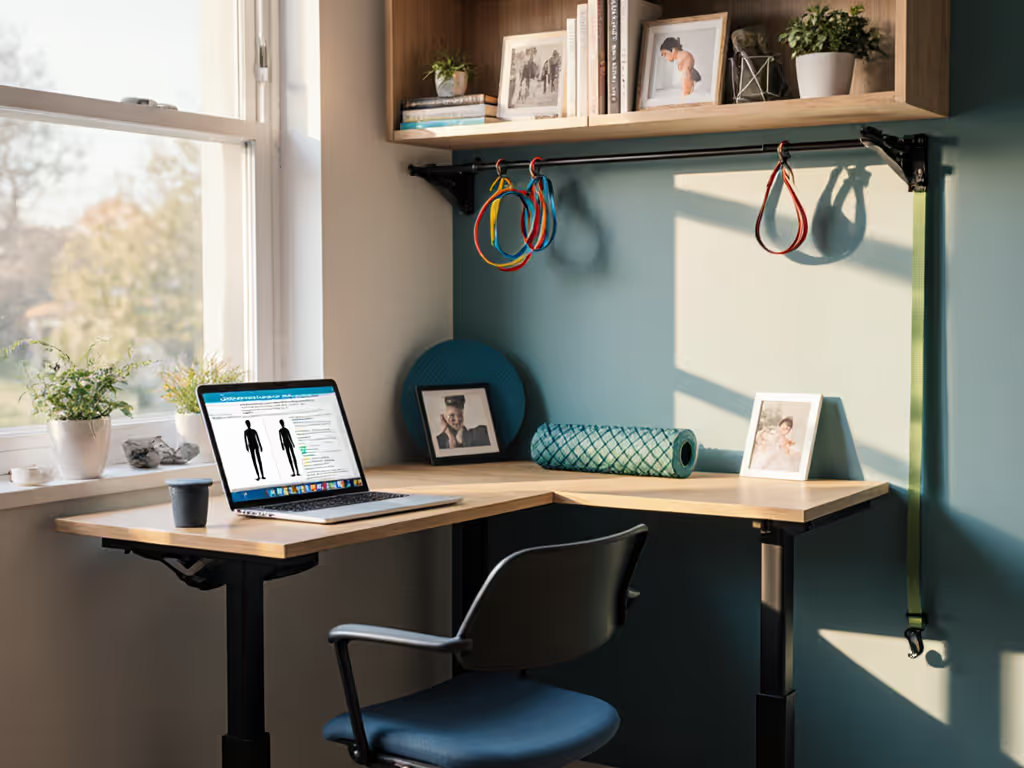
Training & Programming with Limited Equipment
Posture Home Gym Setup: Step-by-Step Desk Fixes
24th Apr•6 min read
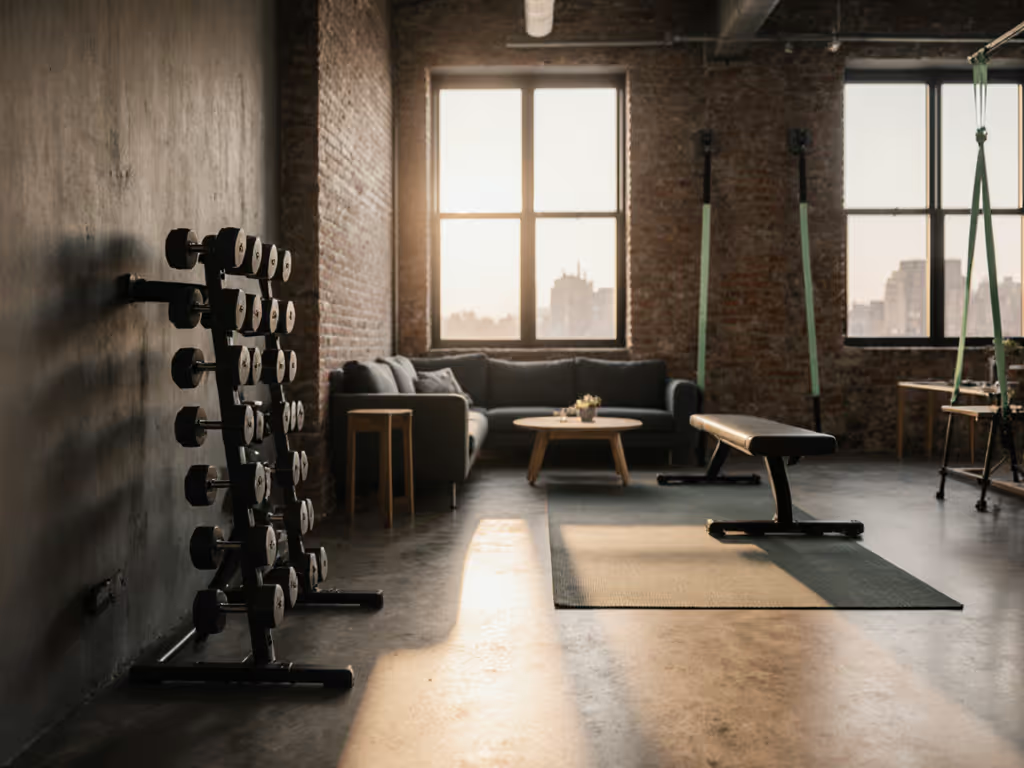
When space is tight and noise concerns keep you up at night, your home gym equipment workouts shouldn't feel like a compromise. Instead of chasing maximal lifting capacity, I've found that thoughtful home gym routine structure creates sustainable progress, especially when you're working with limited square footage and shared living spaces. Consistency beats complexity, and that starts with understanding what your room actually wants to hold.
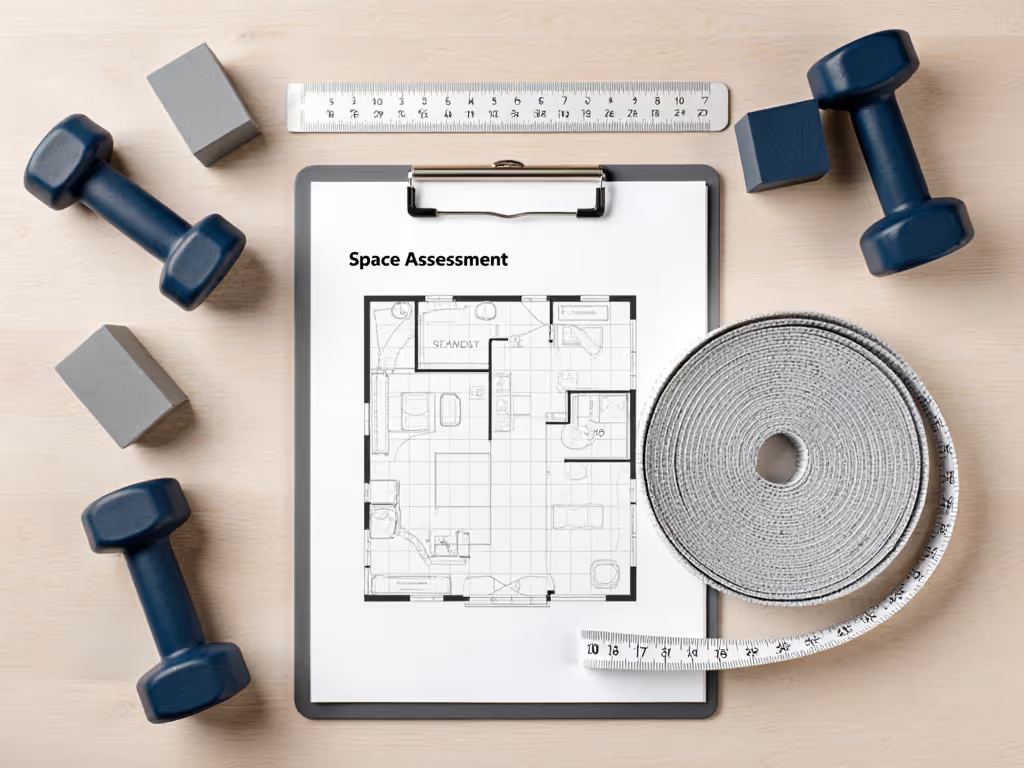
Before one dumbbell enters your space, complete this 5-minute space audit. Your future self will thank you when you're not rearranging furniture at 6 AM. For layout specifics, see our small space home gym layout guide.
Get out your phone's measuring app and note these 4 numbers:
- Ceiling height (subtract 6" for safety clearance)
- Floor-to-door clearance (measure when door is open)
- Walking path width (minimum 36" for safe movement)
- "Quiet hours" window (when neighbors are asleep/kids nap)
This plain-language checklist prevents the #1 regret I hear from readers: "I bought a squat rack that blocked my closet!" Small wins compound when your space lowers friction daily.

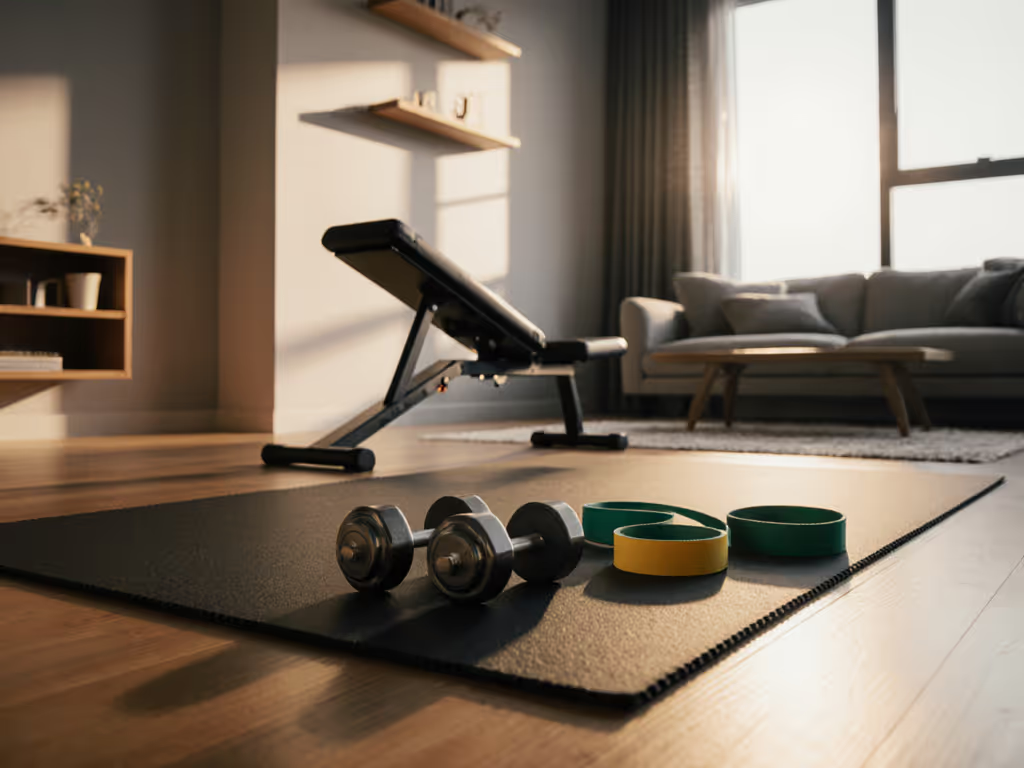
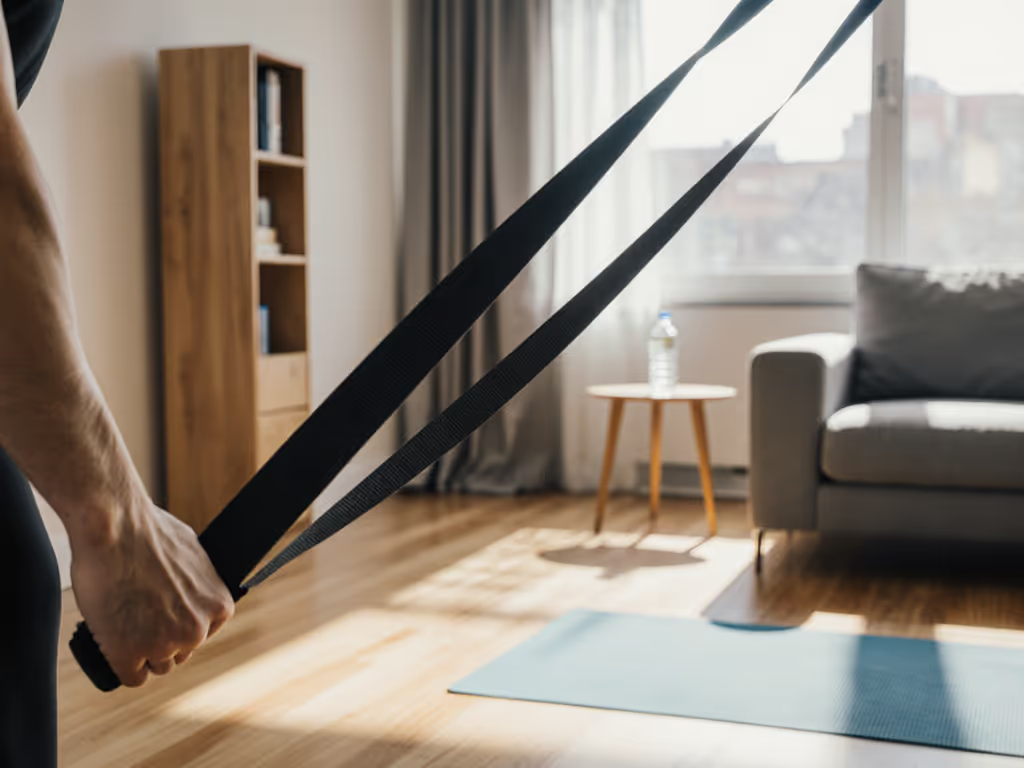
Your "good home workout equipment" list should answer: "What disappears when not in use?" During lockdown, I helped my parents build a living-room routine that vanished completely after sessions (mat rolled, bands tucked away). No equipment guilt, just five consistent days a week. If you're leaning toward bands, this science-backed resistance band guide shows how to program real strength in tight spaces.
Fold-flat mat (8mm thick for joint comfort, <1/2" when rolled)
Silent tempo timer (no beeping, just visual countdown on phone/tablet)
Skip anything requiring permanent installation if you rent. Landlords care more about floor scratches than a rolled-up mat under the couch.
Start where your room is: your first workout shouldn't require assembly manuals or anchor bolts.
The most overlooked piece of home gym equipment workouts isn't physical, it's how you schedule them. Your routine structure needs to bend with real life, not break. For structure, use our limited-equipment workout programming guide.
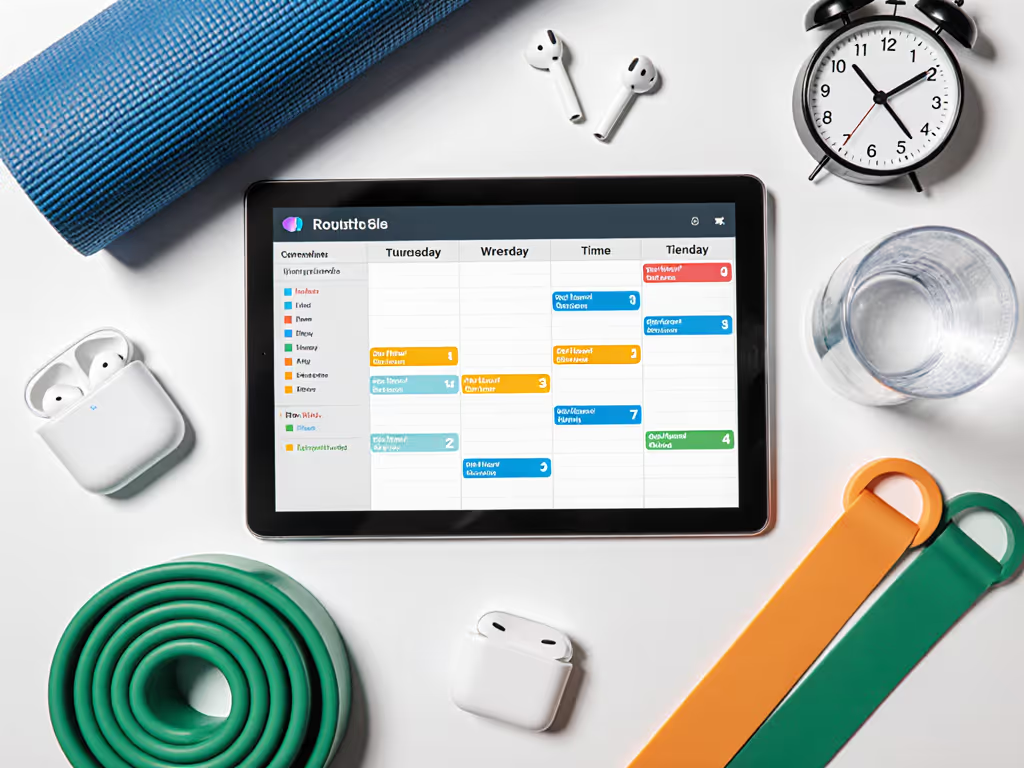
| Day | Setup Time | Focus | Reset Ritual |
|---|---|---|---|
| Mon | 2 min | Full-body resistance | Bands hung, mat rolled |
| Wed | 3 min | Mobility flow | Blocks returned to shelf |
| Fri | 1 min | Quick strength circuit | Timer reset to zero |
This structure works because it respects your space constraints: no "you must train 5 days!" pressure. Miss a session? Your reset ritual stays consistent.
Equipment clutter kills momentum faster than any scheduling conflict. Your secret weapon? The 60-second reset performed immediately after each workout.
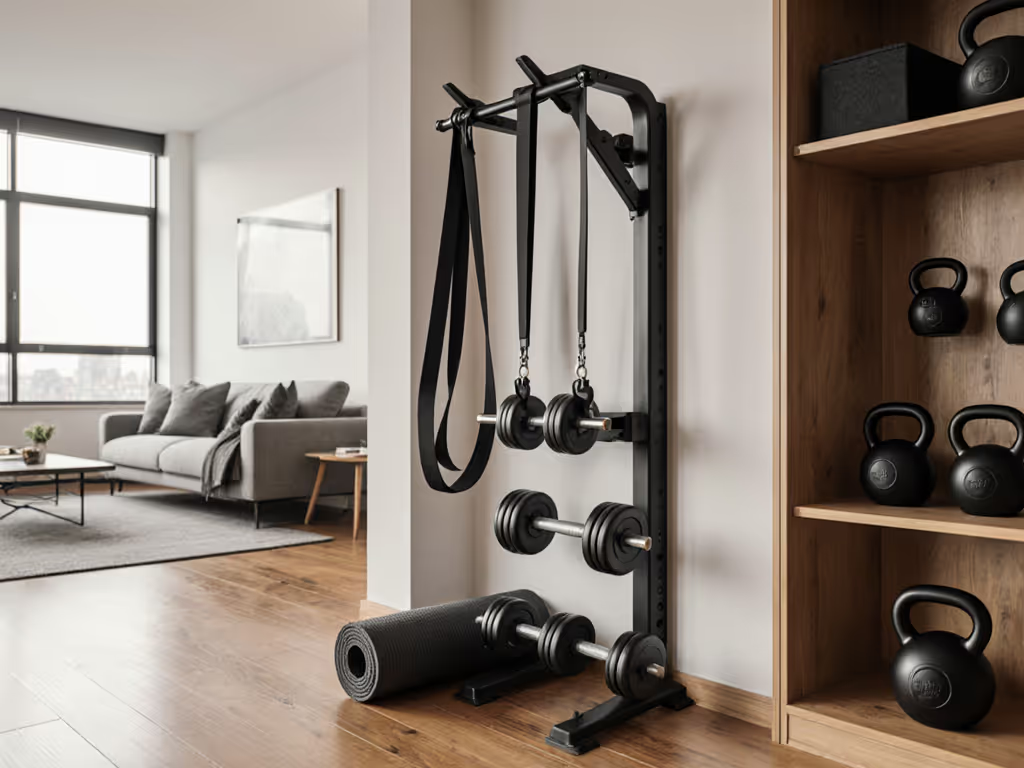
This isn't organization for organization's sake: it's noise prevention. Loose dumbbells become trip hazards. Tangled bands create frustration. Both kill consistency. For a tidy, modular setup, compare space-saving home gym storage solutions.
Track just two metrics for 30 days:
When your gear disappears reliably, your home gym becomes a habit, not a home modification project. I've seen clients go from "I feel guilty walking past my weights" to "That 10-minute session actually refreshed my afternoon."
Your streamlined home gym routine structure isn't about what you could do with unlimited space: it's about what works today in your actual living situation. The most effective home gyms I've helped build share these traits:
During those lockdown days with my parents, we discovered that minimal friction turned into maximum follow-through. If neighbor noise is a worry, follow our apartment gym noise control guide. Good home workout equipment matters less than equipment you actually use, and that only happens when setup and reset become effortless.
Start where your room is: not where Instagram trainers say it should be. Your first workout could be resistance bands on a folded towel. Your fifth might use a proper mat. Your tenth? Maybe dumbbells. But only if the space allows it without disrupting your reset ritual.
Before checking email or making coffee:
Do just 2 minutes of movement in that spot. Then reset completely. Repeat only if the reset felt satisfying. This 3-step ritual is your true starting line, not an equipment purchase.